
Serving Today’s College Student: Why Transfer Partnerships Matter More Than Ever
Feb 16, 2026 8:00 AM
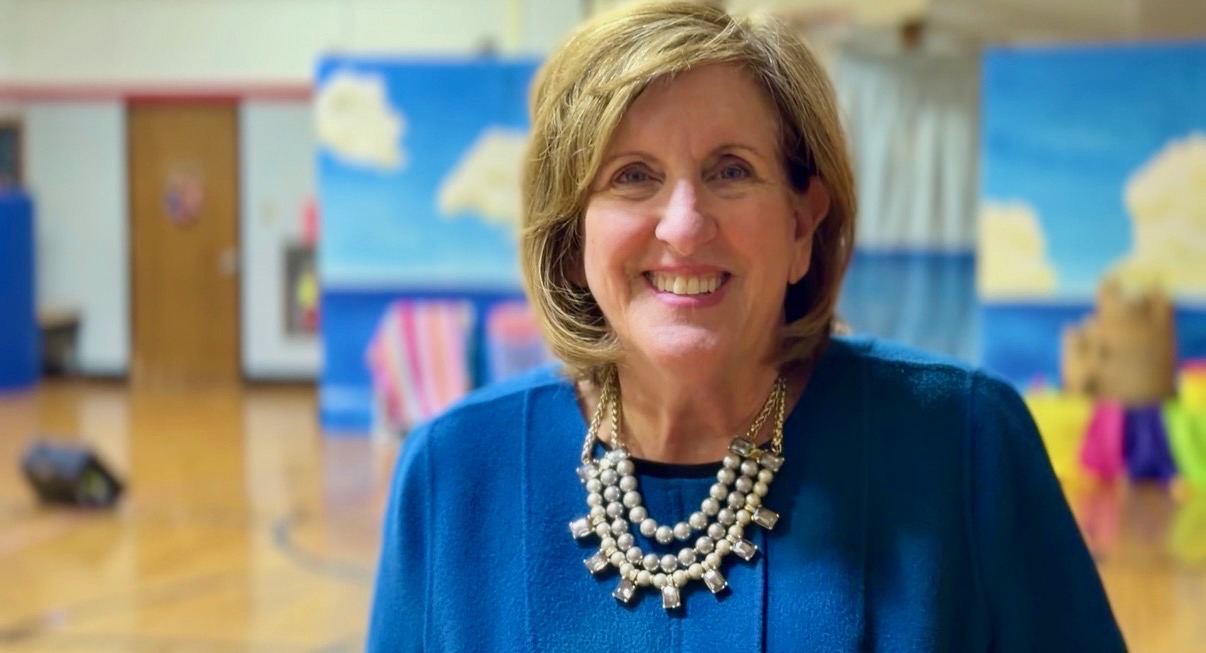
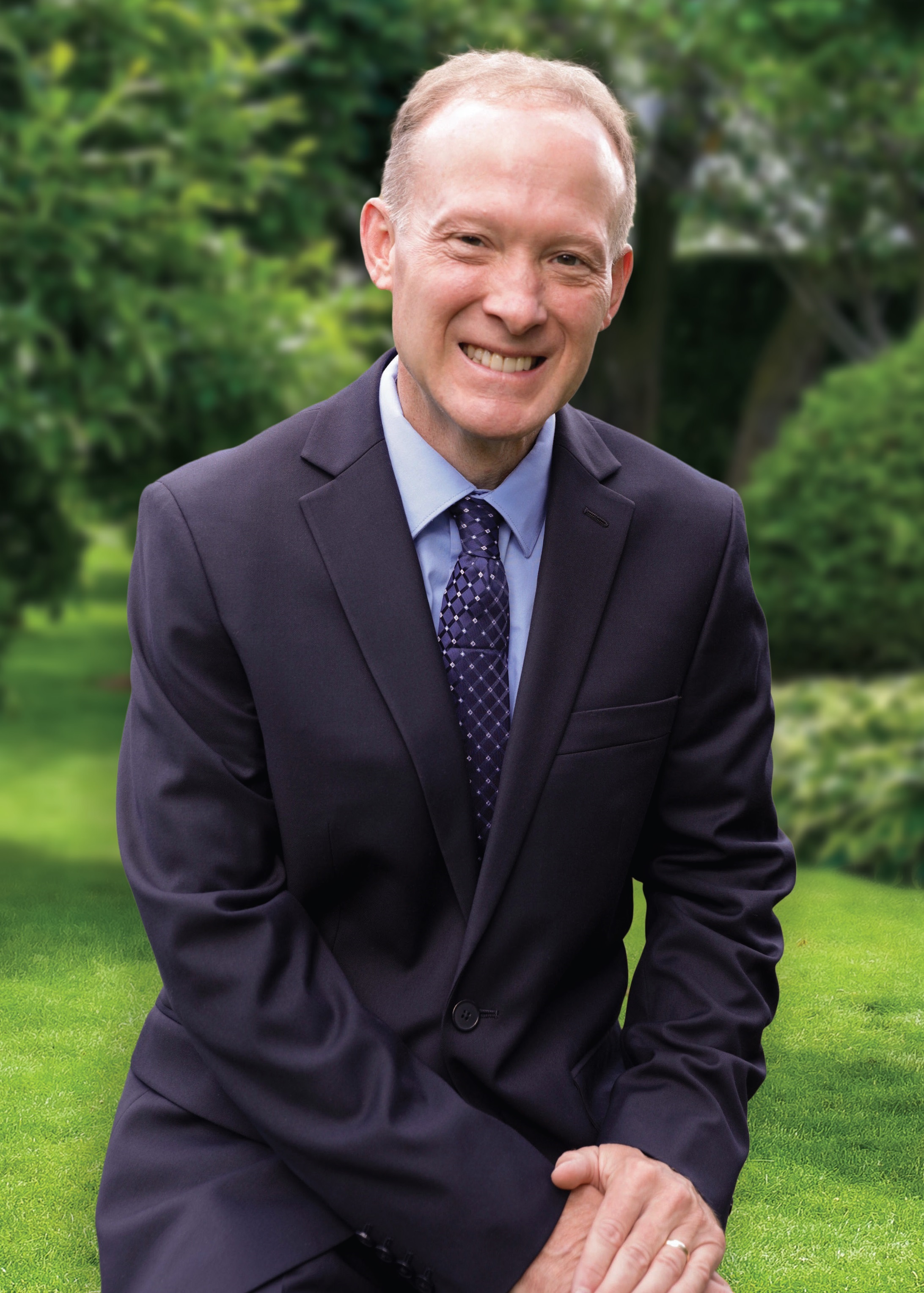
Interim President Darlene Brannigan Smith, PhD, and Allegany College of Maryland President David Jones '92/M'94 recently co-authored an op-ed about the importance of collaboration between colleges and universities to create clear and supportive transfer partnerships.
 Higher education no longer follows a single, traditional path, especially across our region. Today’s college students are often adults balancing careers, family responsibilities and financial pressures, many while attending school part time. For a growing number of students, beginning at a community college is a practical and strategic decision. Their success depends on whether colleges and universities collaborate to create clear, supportive pathways—or leave students to navigate a complicated system on their own.
That is why strong, intentional transfer partnerships matter. When institutions align around the needs of working adults and transfer students, higher education becomes not just accessible, but attainable.
Frostburg State University (FSU) and Allegany College of Maryland (ACM) joined the inaugural cohort of the Maryland Statewide Transfer Intensive, a project designed to improve community college transfer outcomes statewide. This partnership reflects a shared commitment to meeting students where they are and supporting them through every stage of their educational journey. At its core is a simple truth: student success is a shared responsibility, especially for learners whose lives do not fit neatly into a four‑year residential model.
With support from the Maryland Higher Education Commission and the Aspen Institute, ACM and FSU are addressing long‑standing barriers that make transferring unnecessarily complicated, expensive and discouraging. Too often, students encounter lost credits, inconsistent advising and unclear expectations. These challenges disproportionately affect working adults, first‑generation students and those balancing jobs and caregiving responsibilities.
Recognizing these obstacles, both institutions moved beyond diagnosing the problem to redesigning the transfer experience itself. Over the past year, ACM and FSU have examined where students struggle most and found that clear communication and consistent advising from start to finish are essential. Without them, even capable, motivated students can lose momentum or abandon their goals altogether.
 In response, ACM and FSU have set clear goals and implemented practical strategies to improve transfer outcomes. These include increasing the number of ACM students who transfer to Frostburg by 2028 and improving bachelor’s degree completion rates for the 2027 transfer cohort. Early recruitment and academic planning, an enhanced transfer orientation with campus visits and coordinated use of the Navigate student engagement platform are all designed to help students plan with confidence and avoid unnecessary detours.
ACM provides an affordable, supportive entry point to higher education while maintaining academic rigor students need for long‑term success. Through this partnership, students can move forward knowing their coursework counts, their advising is aligned and their next step is clearly defined.
This work matters because Frostburg is already the leading transfer destination for ACM students among Maryland’s public four‑year institutions. More ACM students choose FSU than any other University System of Maryland campus, underscoring its role as the primary continuation pathway for local students pursuing a bachelor’s degree.
A key strength of this partnership is a dedicated Frostburg advisor embedded at ACM, guiding students through every step of the transfer process. Rather than navigating complex requirements alone, students receive consistent support from the beginning – an approach that is especially vital for adult learners who cannot afford lost time, misapplied credits or unexpected delays.
Together, Allegany College of Maryland and Frostburg State University demonstrate what a transfer‑intensive partnership can achieve. The goal is not simply to move students between institutions, but to help them complete degrees that strengthen economic mobility and meet the workforce needs of our region.
The impact extends beyond individual success. When students can earn a bachelor’s degree without leaving the region, they are far more likely to stay, work and live here. Well‑designed transfer pathways help retain talented graduates, support employers and strengthen regional sustainability.
Employers across Western Maryland need a workforce with advanced skills, credentials and adaptability. By aligning community college access with university completion, ACM and FSU are building that pipeline – supporting adults who are upskilling, reskilling and advancing in their careers while continuing to contribute to the regional economy.
Strong transfer partnerships are also an economic development strategy. They reduce barriers to degree completion, shorten time to enter the workforce and maximize the return on public investment. When higher education functions as a coordinated system rather than a series of disconnected stops, students, communities and the entire region benefit.
Serving working adults and transfer students is not only the right thing to do—it is essential to Western Maryland’s future. By helping students start smart, transfer smoothly and finish strong, this partnership strengthens the workforce and fuels long-term economic growth.
David Jones, President, Allegany College of Maryland
Darlene Brannigan Smith, PhD, Interim President, Frostburg State University